Austria's Provincial Festivals and Their Connection to Local Administrative Practices
Geschrieben von Kai Schmidt · 18.8.2026
Austria's Provincial Festivals and Their Connection to Local Administrative Practices
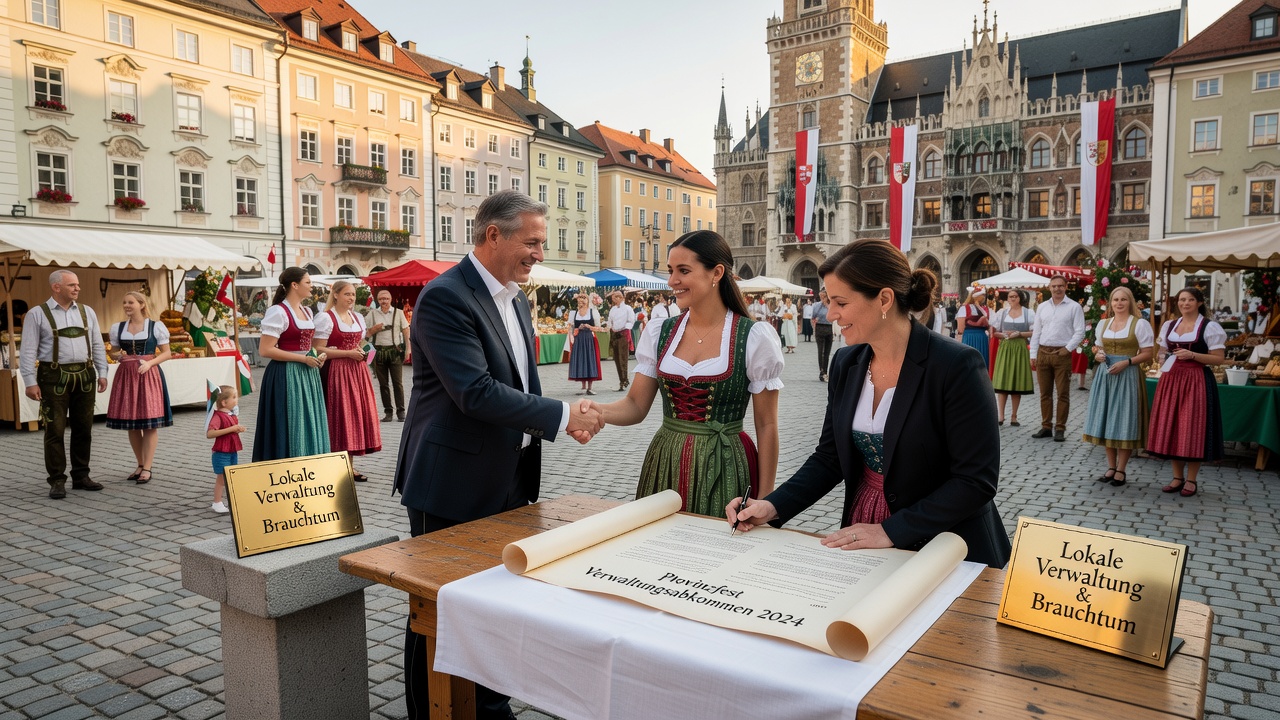
Austria's provincial festivals reflect deep ties between cultural traditions and the administrative structures that operate across its nine federal states, where local governments coordinate events through established regulatory frameworks and funding mechanisms that have evolved over decades. Researchers at institutions like the University of Vienna have documented how these gatherings, ranging from harvest celebrations in rural Tyrol to music festivals in Salzburg, depend on coordination between provincial councils, municipal offices, and tourism boards that manage permits, safety protocols, and resource allocation. Data from Statistics Austria shows participation numbers often exceed hundreds of thousands annually in regions like Upper Austria and Styria, with administrative bodies tracking attendance figures to inform future planning cycles.
Administrative Oversight in Festival Organization
Local administrative practices in Austria integrate festival planning directly into the responsibilities of state-level authorities, where officials in each Bundesland handle everything from venue approvals to health and safety compliance under national guidelines that align with EU cultural heritage directives. In Carinthia, for instance, the provincial government collaborates with community associations to schedule events around traditional dates, ensuring that bureaucratic processes such as insurance requirements and crowd management strategies receive review well in advance. Observers note that this system allows for consistent application of rules across diverse terrains, from alpine villages to urban centers, while figures from the Austrian Federal Ministry for Arts, Culture, the Civil Service and Sport reveal annual budget allocations that support these activities through targeted grants distributed by regional offices.
What's interesting is how these practices connect to broader governance models, since administrators often draw on historical precedents when adapting modern regulations to longstanding customs. Take one case in Lower Austria where local councils streamlined permitting for seasonal fairs by centralizing applications through digital platforms introduced in recent years, which reduced processing times according to reports from the Austrian Court of Audit. And yet the process still incorporates input from citizen committees that represent community interests in decision-making, creating a layered approach that balances efficiency with public engagement.
Key Provincial Examples and Their Structures
Salzburg's festival season illustrates the intersection of administrative coordination and cultural programming, as the state government oversees the allocation of public spaces and coordinates with international partners through formal agreements that specify logistical responsibilities. Events scheduled for August 2026 will follow the same pattern of multi-agency oversight, with the Salzburg provincial administration managing traffic controls, vendor licensing, and emergency preparedness measures alongside federal tourism promotion efforts. Researchers have pointed out that this model extends to neighboring regions like Vorarlberg, where similar frameworks support smaller-scale gatherings tied to local agricultural cycles.
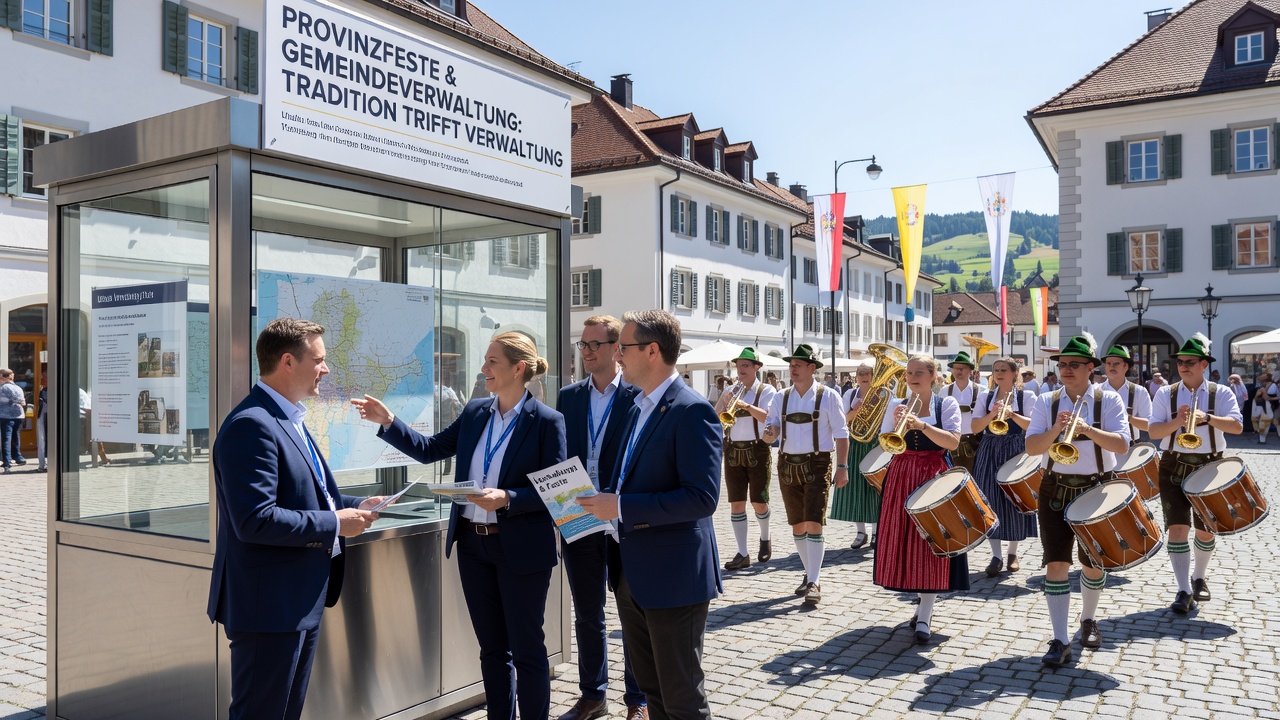
Styria presents another layer of complexity, since its wine festivals rely on administrative practices that incorporate environmental assessments and sustainability reporting required by provincial environmental agencies. Data indicates these evaluations occur annually to maintain compliance with national standards, and they often involve cross-departmental teams from agriculture and culture ministries. People who've examined these operations find that the integration of digital tracking tools has improved transparency in how funds flow from state budgets to individual event organizers, reducing administrative overhead while preserving accountability.
Funding Mechanisms and Regulatory Compliance
Funding for these festivals flows through established channels that link provincial treasuries to municipal budgets, with oversight from bodies such as the Austrian Association of Municipalities ensuring equitable distribution based on population metrics and event scale. According to analyses from the European Commission's cultural policy reports, Austria's approach aligns with broader continental efforts to support intangible heritage, which influences how local administrators prioritize certain traditions in their annual calendars. But here's the thing: compliance with data protection rules during ticket sales and participant registration adds another dimension, requiring coordination between IT departments and legal teams within each state government.
External partnerships sometimes supplement these structures, as seen when academic studies from Canadian universities on community event management have informed Austrian practices around volunteer coordination and risk assessment. This cross-pollination occurs through published papers that administrators reference during training sessions, though the core remains rooted in domestic legislation that governs public assembly and cultural expression.
Conclusion
Overall, Austria's provincial festivals demonstrate how administrative practices sustain cultural continuity by embedding event management within the routines of local governance, from initial planning through post-event evaluation. Evidence from government records and academic inquiries continues to highlight the efficiency of these integrated systems, which adapt to changing circumstances while upholding the traditions that define each region. Those who've studied the connections observe that ongoing refinements in regulatory tools promise to keep these events viable for future generations across the federal states.