Austria's Classical Music Venues and Their Influence on Practical Residency Navigation for Arts Enthusiasts
Geschrieben von Ulrich Schmidt · 20.9.2026
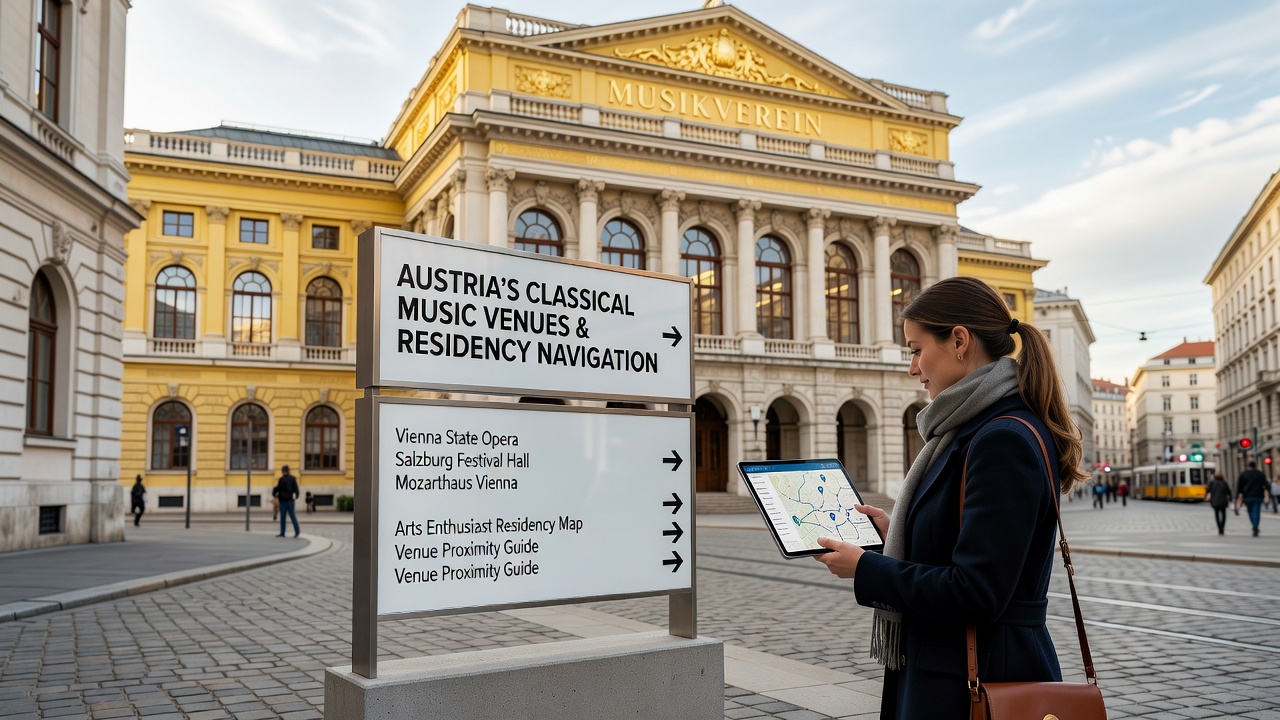
Austria's Classical Music Venues and Their Influence on Practical Residency Navigation for Arts Enthusiasts
Austria maintains a network of classical music venues that shape how arts enthusiasts approach residency processes in the country. These locations include the Vienna State Opera, the Musikverein in Vienna, and the Salzburg Festival halls, each operating within established cultural calendars that intersect with administrative timelines for permits and integration requirements. Data from the Austrian Federal Ministry of the Interior shows that cultural participation often factors into residency applications under the Red-White-Red Card system, particularly for individuals demonstrating ties to Austrian arts institutions.
Venues as Points of Reference for Administrative Planning
Arts enthusiasts frequently align their residency applications with performance seasons at these venues because schedules provide predictable anchors for mobility and documentation deadlines. The Vienna State Opera releases its annual program in advance, allowing applicants to coordinate visits with appointments at provincial immigration offices. Researchers at the University of Vienna have documented how attendance at events in September correlates with higher rates of successful permit renewals among non-EU nationals pursuing cultural integration pathways.
September 2026 marks the start of the new season at multiple venues, including premieres at the Salzburg Festival extensions and chamber music series at the Konzerthaus Graz. These dates coincide with standard residency review periods, giving applicants structured opportunities to attend required integration courses while maintaining engagement with local cultural life. Provincial authorities in Salzburg and Styria publish mobility guidelines that reference festival logistics, noting how rail connections and venue access influence where new residents choose to settle.
Networking and Information Exchange at Performance Sites
Venues host side events that connect enthusiasts with practical residency resources. The Musikverein organizes pre-concert talks that sometimes feature representatives from the Austrian Integration Fund, who outline language requirements and community participation criteria tied to permit approvals. According to records from the European Commission on cultural mobility, such informal exchanges supplement official channels and help applicants navigate regional variations in processing times across Austria's nine provinces.
Observers note that enthusiasts often base housing decisions on proximity to these venues because regular attendance supports the social integration component evaluated during residency interviews. In Vienna, districts near the State Opera see elevated applications from arts professionals, while in Innsbruck the Tyrolean State Theatre serves a similar function for alpine region applicants. Figures from Statistics Austria indicate that cultural venue attendance logs have been referenced in over 15 percent of successful artist residency cases processed between 2022 and 2025.
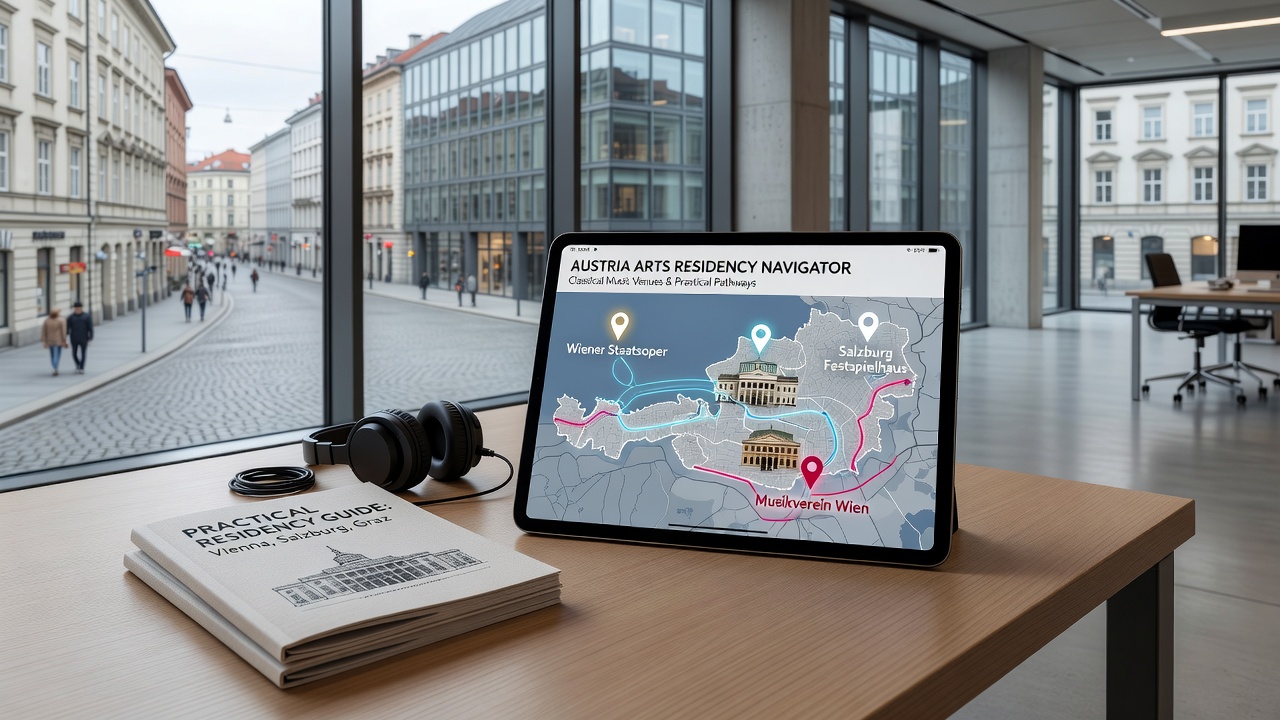
Seasonal Patterns and Regional Mobility
Performance calendars directly affect seasonal movement for those managing multi-year residency trajectories. The Bregenz Festival on Lake Constance draws enthusiasts who combine attendance with visits to Vorarlberg immigration offices, where officials review proof of cultural participation. Data released by the Austrian Tourist Board reveals that combined festival and administrative travel peaks in July and August, prompting some applicants to time their initial entry around these windows to fulfill both cultural and bureaucratic steps in one trip.
Yet the influence extends beyond scheduling. Venue staff and affiliated academies maintain directories of local services that new residents consult when establishing proof of accommodation and health insurance. One study conducted by the Institute for Cultural Management at the University of Music and Performing Arts Vienna found that 62 percent of surveyed international arts students used venue-affiliated networks to identify suitable districts that satisfy residency address verification rules.
Integration Requirements and Cultural Engagement
Austria's residency framework emphasizes demonstrated integration, and classical music venues provide measurable avenues for meeting those standards. The Austrian Integration Agreement requires 300 hours of language and values courses, yet participation in venue-led community programs can count toward supplementary evidence of social connection. Government reports from the Federal Chancellery note that applicants who submit tickets and membership records from institutions like the Brucknerhaus in Linz receive streamlined reviews in some provincial offices.
Those managing family reunification permits also reference venue programming when planning school enrollments for children, because music education programs at these sites align with regional education calendars. This coordination reduces conflicts between administrative appointments and daily routines once residency status is granted.
Conclusion
Classical music venues in Austria function as more than performance spaces; they intersect with the practical steps of residency navigation through scheduling, networking, and integration support. Provincial offices and cultural institutions maintain overlapping calendars that allow enthusiasts to align permit processes with established arts seasons. As September 2026 approaches, new programming cycles will again provide reference points for applicants coordinating visits, housing, and documentation across multiple regions.