Austria's Cable Car Maintenance Schedules and How They Shape Seasonal Mobility Planning for New Residents in Alpine Districts
Geschrieben von Katja Günther · 6.9.2026
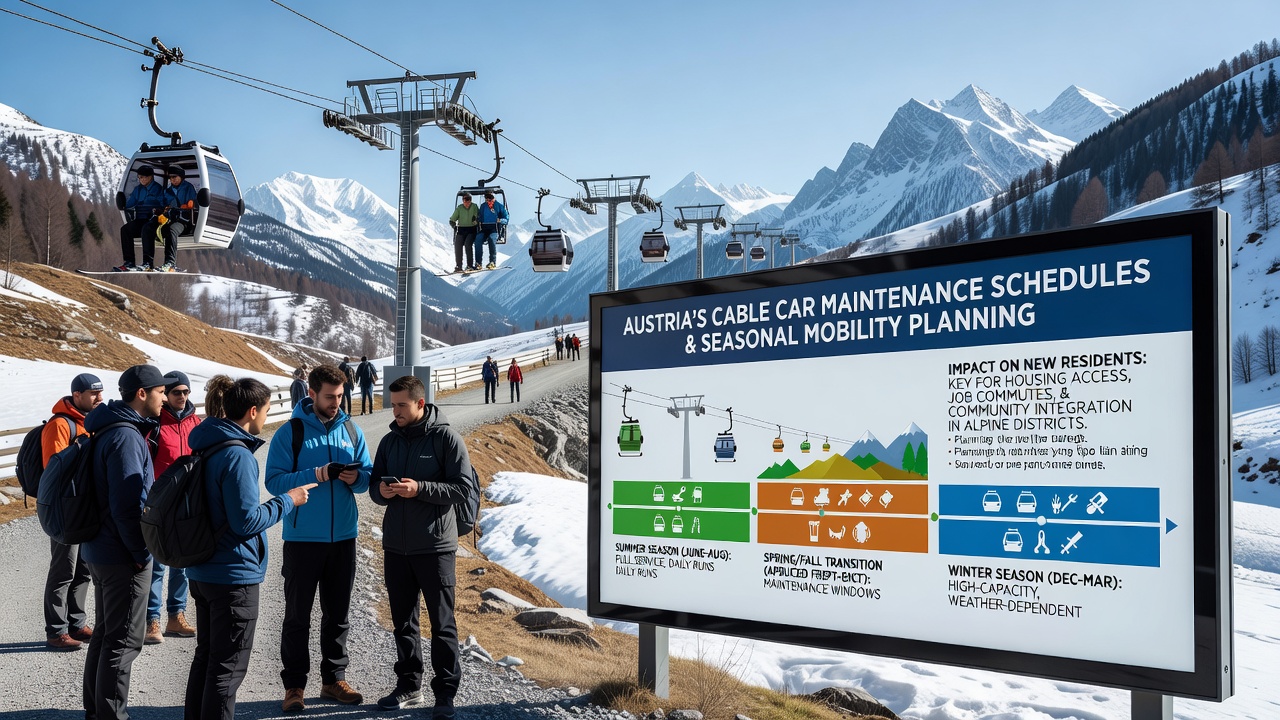
Austria's Cable Car Maintenance Schedules and How They Shape Seasonal Mobility Planning for New Residents in Alpine Districts
Cable Car Networks Across Austrian Alpine Regions
Austria operates extensive cable car systems throughout the Tyrol, Salzburg, Vorarlberg, and Carinthia provinces where these installations connect valley settlements to higher elevation communities and recreational zones, and data from the Austrian Cable Car Association shows over 3,500 installations serving both tourism and local transport needs. Maintenance cycles follow predictable seasonal patterns because operators must address mechanical wear from heavy winter loads and summer tourist traffic, which means closures typically occur during shoulder periods rather than peak months.
New residents arriving in alpine districts encounter these schedules when they plan daily commutes, school runs, and supply deliveries, since many villages depend on cable cars as primary links when roads become impassable due to snow or terrain. Government records indicate that Tyrolean districts alone report several thousand residents using cable cars for year-round access, while seasonal workers add to the volume during winter months.
Standard Maintenance Timelines and Regional Variations
Operators schedule major inspections and component replacements between April and June as well as October and November, because these windows follow the end of ski season and precede summer hiking peaks, and records from the Austrian Ministry for Climate Action, Environment, Energy, Mobility, Innovation and Technology confirm that most facilities undergo annual safety certifications during these intervals. Some installations in higher altitude zones extend closures into early September when weather permits thorough testing of cables and drive systems, which creates predictable gaps that local authorities publish in advance through district mobility portals.
September 2026 maintenance windows have already been outlined by several operators in the Zillertal and Stubai regions, with selected lines closing from September 7 through September 21 to allow for rope replacements and motor overhauls ahead of the 2026-2027 winter season. These dates align with historical patterns observed over the past decade, where similar work prevented disruptions during December holiday periods when visitor numbers peak.
Mobility Impacts for New Arrivals in Alpine Settlements
People relocating to communities such as Mayrhofen, Sölden, or Lech am Arlberg must coordinate arrival dates with published closure calendars because alternative road routes can add significant travel time during shoulder seasons, and studies from the University of Innsbruck's transport research group document average detour increases of 45 minutes when primary cable car links shut down. Families with school-age children often adjust pickup schedules or explore shared transport arrangements during these periods, while remote workers factor in potential connectivity gaps when selecting housing locations above valley floors.
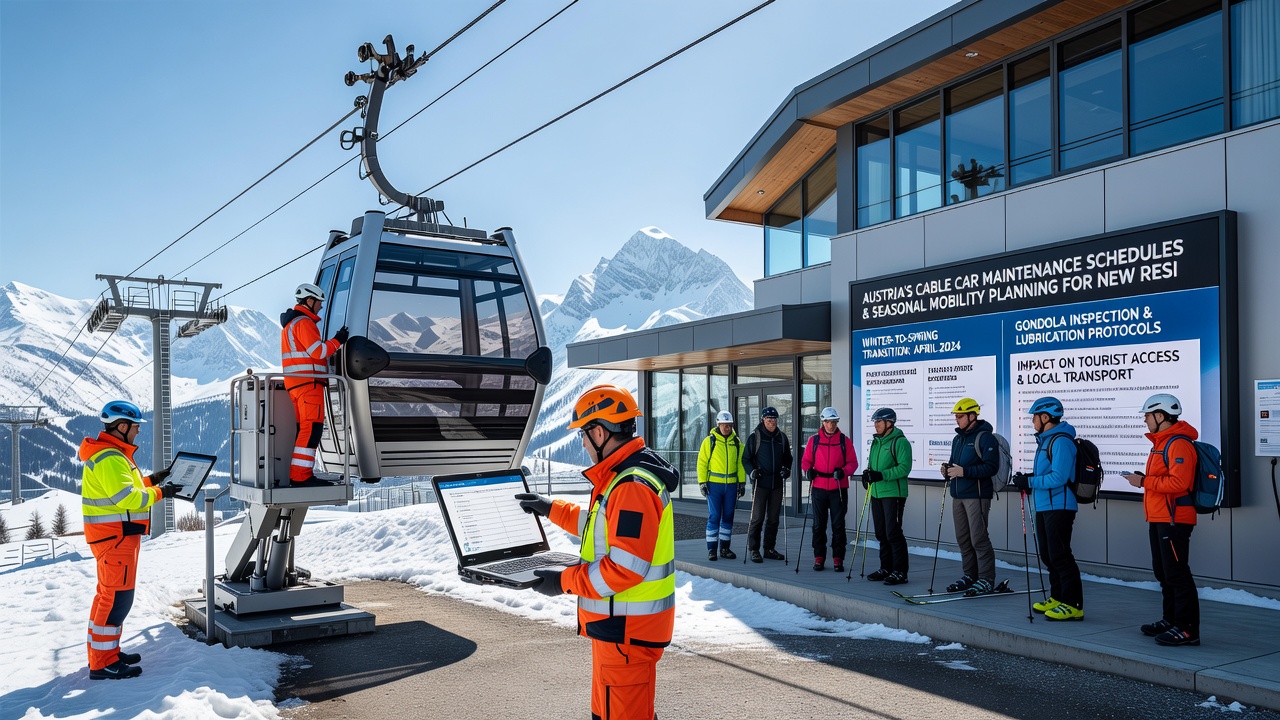
Local municipalities publish updated timetables each spring that detail temporary bus substitutions and shared shuttle services, yet these replacements operate at reduced frequency and capacity compared with normal cable car service. New residents who review these documents before finalizing leases report smoother transitions, according to integration program statistics compiled by provincial housing offices.
Planning Tools and Coordination Strategies
District planning offices maintain digital calendars that integrate cable car maintenance dates with school holidays and regional event schedules, which allows incoming residents to anticipate mobility constraints when arranging employment start dates or medical appointments. Some communities coordinate with neighboring valleys to offer cross-district transport vouchers during extended closures, while others encourage carpooling networks that reduce individual vehicle dependency on narrow mountain roads.
Evidence from the European Transport Safety Council highlights how alpine regions with proactive maintenance communication experience fewer mobility-related complaints among recent arrivals, because advance notice enables households to stock supplies and adjust work patterns. Residents who settle in areas served by multiple parallel cable lines often gain more flexibility, since staggered maintenance schedules across operators minimize total service loss.
Conclusion
Cable car maintenance schedules in Austria follow established seasonal rhythms that directly influence how new residents structure daily life in alpine districts, and the publication of September 2026 closure dates illustrates the forward planning already underway for upcoming cycles. Government agencies, local operators, and research institutions continue to refine notification systems and backup transport options, which supports smoother integration for households moving into these regions. Those who consult official calendars and district resources before relocating position themselves to navigate these predictable intervals with minimal disruption.